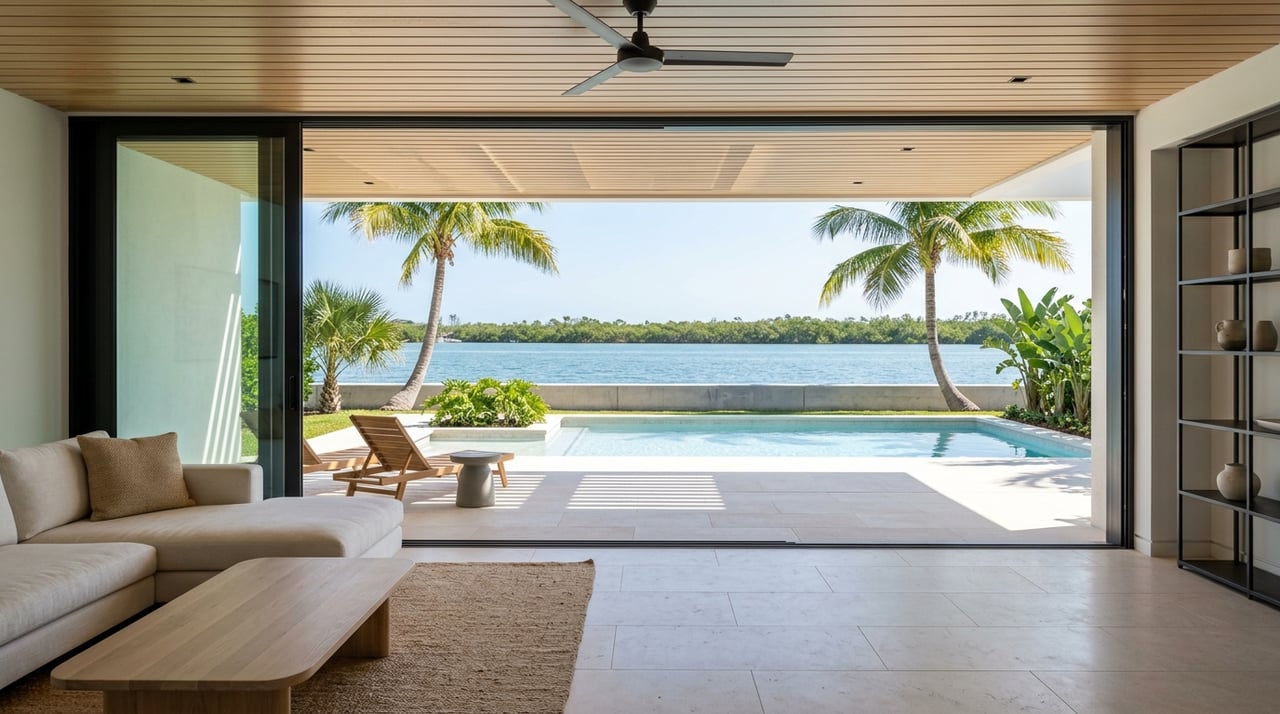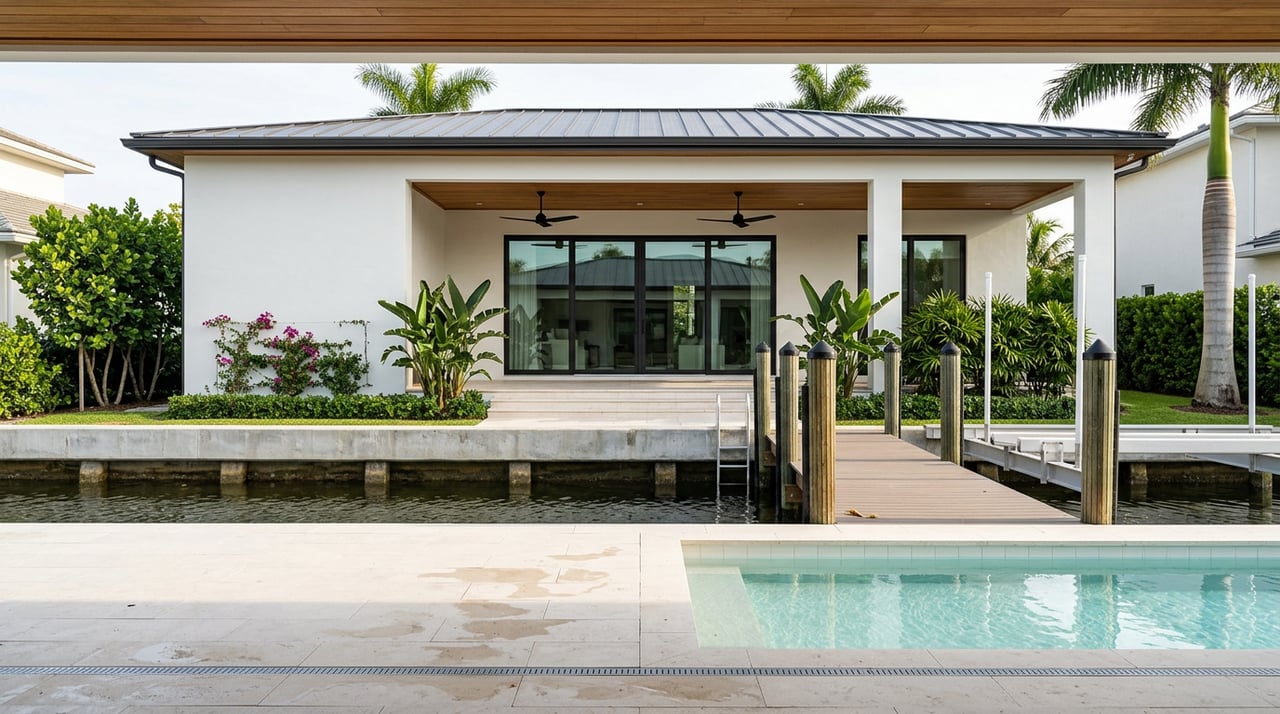
You want the waterfront lifestyle without the surprises. Venetian Isles offers private docks, deepwater canals, and quick access to Tampa Bay, which makes it a standout for boaters. But buying here is different from buying on a typical residential street. In this guide, you will learn the key rules, inspections, and checks that protect your purchase and your boating plans. Let’s dive in.
Venetian Isles at a glance
Venetian Isles is a deed-restricted, island-style neighborhood built on connected man-made islands with canals and private docks. The community sits between Snell Isle and Shore Acres, and many lots enjoy direct routes to Tampa Bay and Boca Ciega Bay. Because boating is a core part of daily life here, you should verify your vessel’s fit for the route you plan to run, including bridge clearances and channel depth at low tide. The neighborhood association maintains deed restrictions and an Architectural Review Committee (ARC) that reviews exterior work, which can include shoreline and dock projects. You can review community info and ARC process details on the Venetian Isles HOA site.
Know the rules before you bid
Pinellas County permits control the water’s edge
For docks, lifts, seawalls, riprap, and any dredge or fill, the primary permitting authority is Pinellas County Water & Navigation. That remains true even inside city limits. Before you close, confirm permit status, past applications, and any open inspections with the county’s team and portal. Start with the county’s Docks, Dredge & Fill page.
The 18-inch depth standard at mean low tide
Pinellas County Code §58-543 sets a key review standard for tidal docks: at least 18 inches of water depth is required at the slip at mean low tide, with a continuous channel of at least 18 inches from open water. This is a permitting benchmark, not a guarantee for your vessel’s draft. Measure actual depths where you plan to berth, and consider a hydrographic check if you run a larger boat.
State rules and aquatic preserve protections
Boca Ciega Bay includes areas within a designated Aquatic Preserve. Projects in these waters may require state-level review and, at times, authorization over sovereignty submerged lands. If a dock extends waterward of the upland line, confirm whether a state authorization or submerged-lands lease could apply. Learn more about preserve context through the Boca Ciega Bay Aquatic Preserve.
Manatees, seagrass, and timing conditions
In-water work often carries manatee protection conditions and seagrass avoidance rules that can affect design, timing, and cost. Seasonal windows, required signage, and survey needs are common. Review typical federal and state conditions, such as the manatee construction provisions outlined in the USACE statewide permit attachment, and plan your timeline with these factors in mind.
Your must-do due diligence checklist
Use the list below as a starting point for your offer and inspection period. Convert each item into clear contract language with your attorney and title company.
- Title and littoral rights: Confirm the recorded plat and where your land ends relative to mean high water. Ask the title company or a coastal real estate attorney to verify whether submerged lands are sovereign or private and how that affects dock rights.
- Permits and records: Request the seller’s as-builts and all permits for the dock, lift, and seawall. Independently confirm permit history and closed inspections with Pinellas County Water & Navigation and, when applicable, state or federal records.
- HOA and ARC: Confirm that deed restrictions apply to the lot, and get the HOA estoppel letter. Review ARC requirements and timelines for any planned exterior or shoreline work.
- Seawall inspection: Hire a marine structural engineer or specialized seawall inspector. Ask for a written report that covers cap condition, panel alignment, tiebacks, soil loss, toe undermining, and in-water conditions.
- Dock and lift inspection: Bring in a certified dock and lift specialist to review pilings, framing, decking, electrical and GFCI protection, motors, and cables. Confirm the dock footprint matches its permit.
- Water depth and route: Measure depth at mean low tide at the slip and along the path to open water. Confirm bridge air draft if your vessel has height considerations.
- Environmental constraints: Check for nearby seagrass or mangroves, which can change design and cost. Build expected survey or mitigation needs into your timeline.
- Flood zone and insurance: Identify the FEMA flood zone and Base Flood Elevation. Request an Elevation Certificate if one exists and secure a flood insurance pre-quote early.
- Local marine support: Identify nearby ramps, marinas, and haul-out yards. Ask about typical wait times for service or repair.
- Negotiation ready: Use inspection findings to request credits, escrow holdbacks, or agreed repairs backed by permits and contracts.
Inspect the seawall like a pro
Seawalls protect your land and your home. A specialized marine inspection is essential, and a written engineering opinion can be a powerful negotiation tool. Industry guidance recommends an engineer review for any waterfront transaction, because repair and replacement can be material costs. You can see typical inspection standards in this FABI guidance PDF.
- What to watch for: cap separation, leaning or bowing panels, soil loss behind the wall, corroded tiebacks, undermining at the toe, and spalling. Request photos and, if warranted, an in-water diver check.
- Budget context: small seawall fixes can run in the hundreds per linear foot. Full replacement often lands in the low-to-high hundreds of dollars per linear foot, depending on site and method. Use a site-specific estimate to anchor your negotiations, and see broad cost ranges outlined by industry sources like this seawall cost overview.
Dial in the dock and lift
A dock and lift that look fine from the surface may hide issues that slow a sale. Have a dock and lift specialist evaluate structural members, pile condition, fasteners, decking, lifts, motors, cables, and electrical components. Confirm the dock’s footprint and features match the latest permit and that the permit is closed. Unpermitted structures or open violations are common deal blockers.
Depth, channel continuity, and boat fit
Do not assume the term “deep water” applies to your exact lot. Measure actual depth at mean low tide at the slip and along the line you will use to reach open water. Remember that Pinellas County’s 18-inch standard is a minimum for review, not a guarantee for your boat’s draft. If you plan to berth a larger powerboat or sailboat, a hydrographic depth check and a bridge air-draft review are smart steps.
Flood risk and insurance
Confirm the FEMA flood zone and the Base Flood Elevation for the parcel. If the property sits in a Special Flood Hazard Area and you use a federally regulated lender, flood insurance will be required. Request an Elevation Certificate if one exists, or plan to order one. You can find guidance on using FEMA’s tools through the FEMA Flood Map Service Center how-to page.
HOA rules and ARC approvals
Venetian Isles uses deed restrictions that apply to all owners, not only voluntary members of the association. The ARC reviews exterior changes, which can include docks and shoreline work, so plan your projects and submit early if you intend to update structures after closing. During due diligence, request the HOA estoppel letter to confirm any outstanding items. You can review governing documents and ARC context on the Venetian Isles HOA governing documents page.
Negotiation levers and red flags
Use your inspections and records audit to protect your position and, when needed, to request credits or repairs.
- High-value levers: a documented need for seawall replacement or major repair, unpermitted dock or lift, seagrass-related limits that change your plan, or missing permits and closed inspections. Consider seller credits, repair escrows, or conditional closing tied to signed repair contracts.
- Red flags: no permit record for the dock or seawall, an engineer’s report noting active undermining or imminent seawall failure, unclear submerged-land title that limits dock rights, a location where preserve rules make dredging central to your plan, or a VE/coastal-velocity flood zone without recent elevation documentation.
Local boating logistics to plan ahead
Line up your support network before you close. Identify nearby public ramps, marinas, and yards for routine maintenance and haul outs. You can scan a directory of Pinellas ramps, including options like Demens Landing and Maximo Park, through this boat ramp listing. Ask about service wait times, since seasonal demand can impact your schedule.
A simple first-30-days playbook
- Week 1: Open title and plat review, request seller’s permit packet and as-builts, order the HOA estoppel, and book your seawall and dock inspections.
- Week 2: Run your depth check at mean low tide, confirm bridge clearances, and reach out to Pinellas County Water & Navigation to verify permit status.
- Week 3: Review engineer and dock reports, obtain a flood insurance pre-quote, and confirm the FEMA zone and BFE.
- Week 4: Price repairs with licensed vendors, finalize negotiations with documented estimates, and draft escrow or credit terms tied to permits and closed inspections.
Ready to turn a waterfront dream into a well-planned acquisition? Start a straight-line conversation about due diligence, permitting strategy, and how to structure your deal for smooth closing and long-term ownership with The Paragon Team.
FAQs
What makes Venetian Isles different for boaters?
- It is a deed-restricted, canal-based community of man-made islands with private docks and direct routes to Tampa Bay, paired with an active HOA and ARC review process.
What water depth does Pinellas County require at a slip?
- County code uses a review standard of at least 18 inches of water depth at the slip at mean low tide, with an 18-inch continuous channel to open water.
Do I need HOA approval to modify a dock in Venetian Isles?
- The ARC often reviews exterior changes, which can include docks and shoreline work, so plan to submit for approval before starting a project.
How do I verify a dock or seawall was permitted?
- Ask for the seller’s permit packet, then independently confirm permit history and closed inspections through Pinellas County Water & Navigation.
Are there special protections for manatees and seagrass?
- Yes. Typical permits include manatee construction conditions and seagrass avoidance or mitigation, which can affect timing and design of in-water work.
How should I check flood risk for a Venetian Isles home?
- Look up the FEMA flood zone and Base Flood Elevation, request an Elevation Certificate if available, and secure a flood insurance pre-quote early.
Can I dredge to gain more depth at my slip?
- Dredging triggers strict county and state reviews, and preserve rules may limit options. Always verify feasibility before you assume dredging is possible.