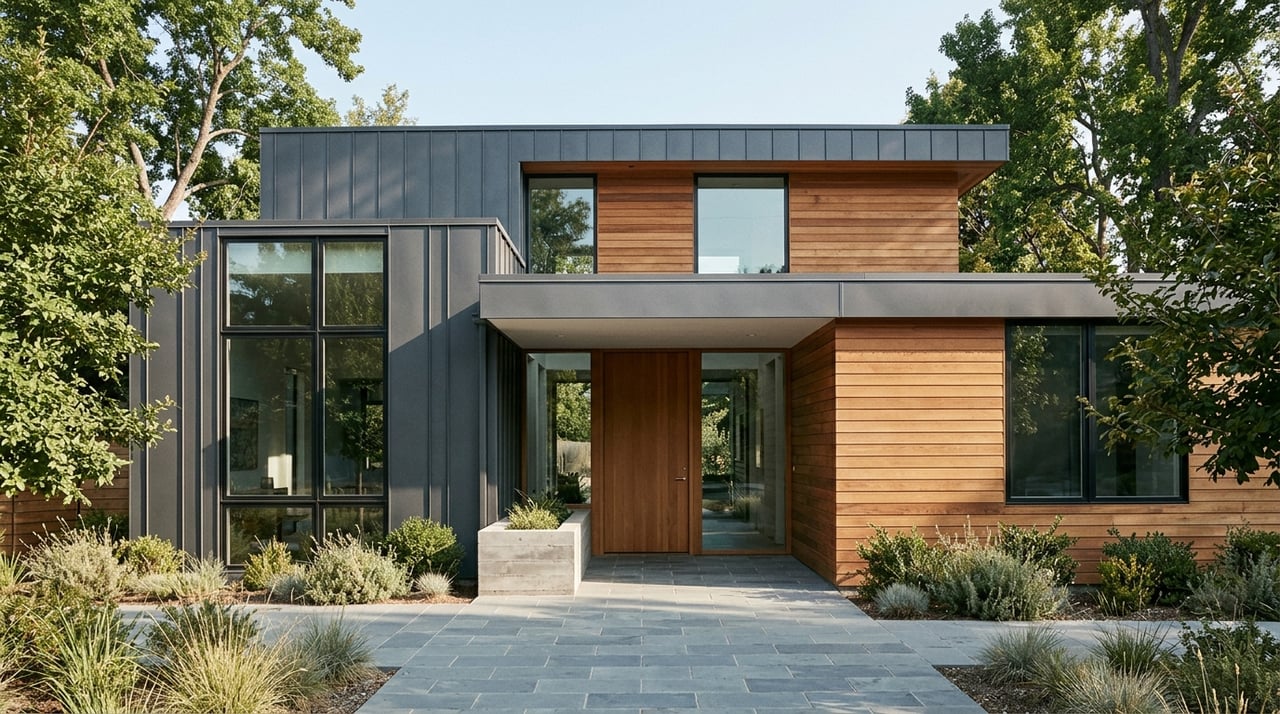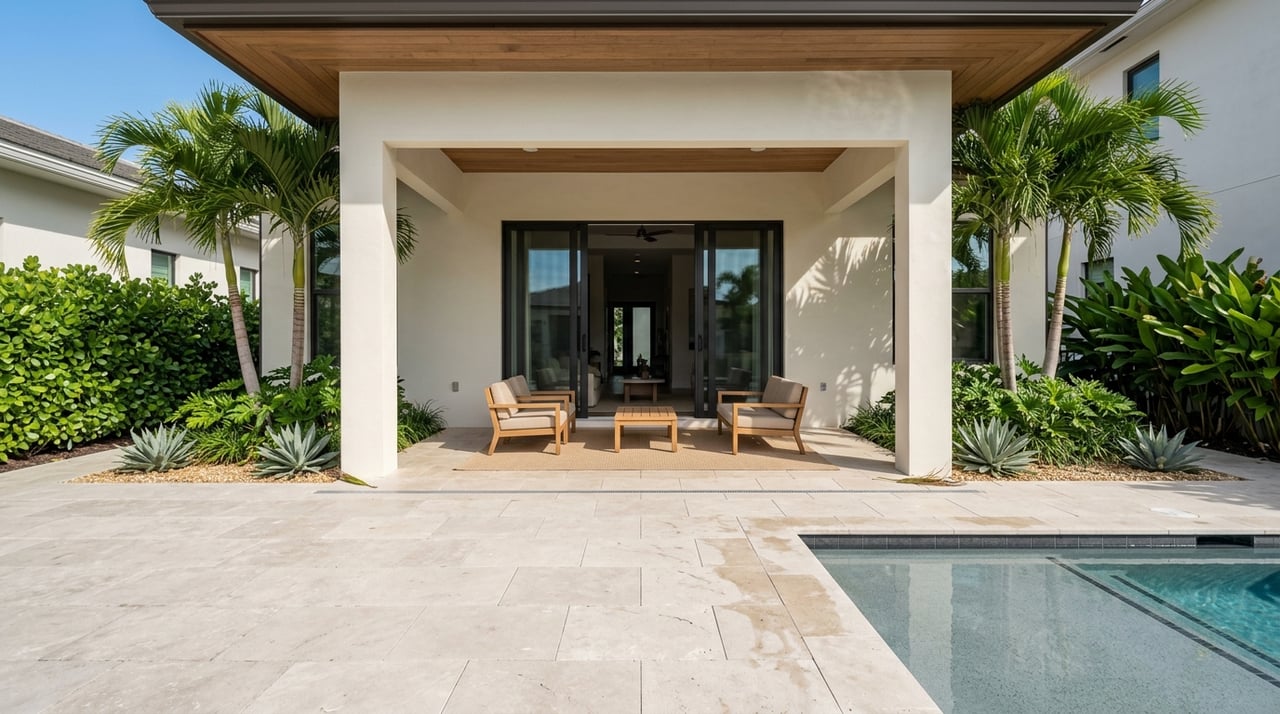
Buying in Historic Old Northeast is not just about square footage or curb appeal. You are also choosing a home style, a maintenance rhythm, and a day-to-day living experience shaped by one of St. Petersburg’s most established historic neighborhoods. If you want to know whether a bungalow, Mediterranean Revival, or another classic style fits the way you live, this guide will help you compare your options with more confidence. Let’s dive in.
Why home style matters in Old Northeast
Historic Old Northeast, also known locally as the North Shore Historic District, is known for more than individual houses. The area includes brick streets and alleys, hexagonal block sidewalks, granite curbs, oak canopies, front porches, and an original grid pattern that gives the neighborhood its distinct feel. That setting affects how each home style looks, functions, and fits into daily life.
The neighborhood developed over several decades, mainly from the 1910s through the 1940s. Because of that, you will not find just one architectural look. Instead, you will see a mix of styles, with Craftsman bungalows, Frame Vernacular homes, and Mediterranean Revival houses standing out as some of the most recognizable choices.
Craftsman and Frame Vernacular homes
If you want a home that feels approachable, efficient, and closely tied to porch living, this category may fit you best. The district has a high concentration of Frame Vernacular houses and bungalows, and many buyers are drawn to their simple forms and practical layouts.
What these homes look like
Frame Vernacular homes are often rectangular in shape with weatherboard siding, overhanging eaves, dormers, and hipped or gabled roofs. Many also include exposed rafter tails and porch balusters. Post-1920 examples may include Craftsman details, which can blur the line between the two styles.
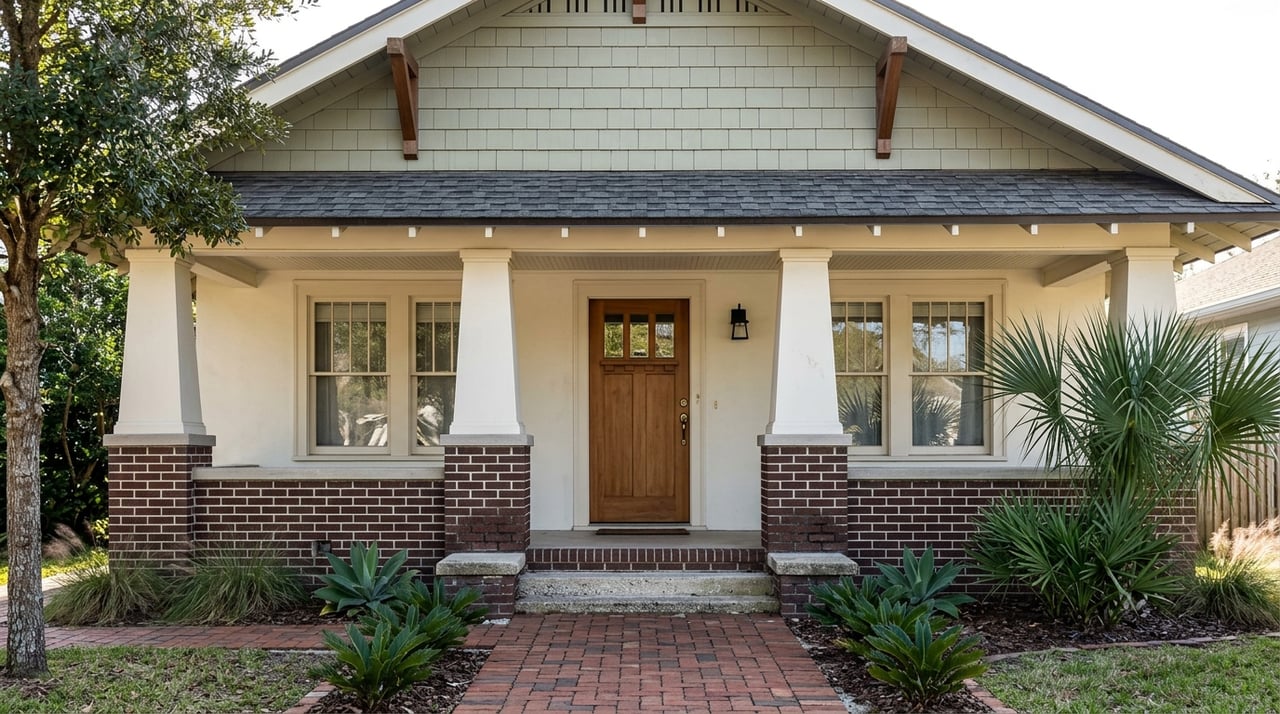
Craftsman bungalows are usually one or two stories with low-pitched roofs, wide eaves, exposed rafters, decorative knee braces, and square porch columns. Exterior materials may include weatherboard, shingles, or stucco. These details create a grounded, casual look that feels very much at home in Old Northeast.
Who may prefer this style
These homes often appeal to buyers who want a more compact and efficient living pattern. Their porch-centered facades and generally smaller massing can feel easier to manage than larger Revival-style homes. If you like strong indoor-outdoor connection, fewer stairs, and a relaxed historic feel, a bungalow or Frame Vernacular home may suit you well.
What to watch before you buy
Because many of these homes are older, exterior condition matters. In Florida’s humid climate, buyers should pay close attention to roof condition, flashing, porch framing, gutters, and window seals. Moisture can lead to mildew, mold, and wood deterioration if maintenance has slipped.
Termites should also be part of your review. In Florida, drywood, dampwood, and subterranean termites are all relevant, and dampwood termites are especially associated with excess moisture and decaying wood. A careful inspection history, drainage review, and termite evaluation can help you understand the true condition of an older wood-frame home.
Mediterranean Revival homes
If you are drawn to stronger exterior presence and more architectural detail, Mediterranean Revival may be the style that stands out to you. In Old Northeast, this style is closely associated with the 1920s Florida Land Boom and remains one of the area’s signature looks.
What these homes look like
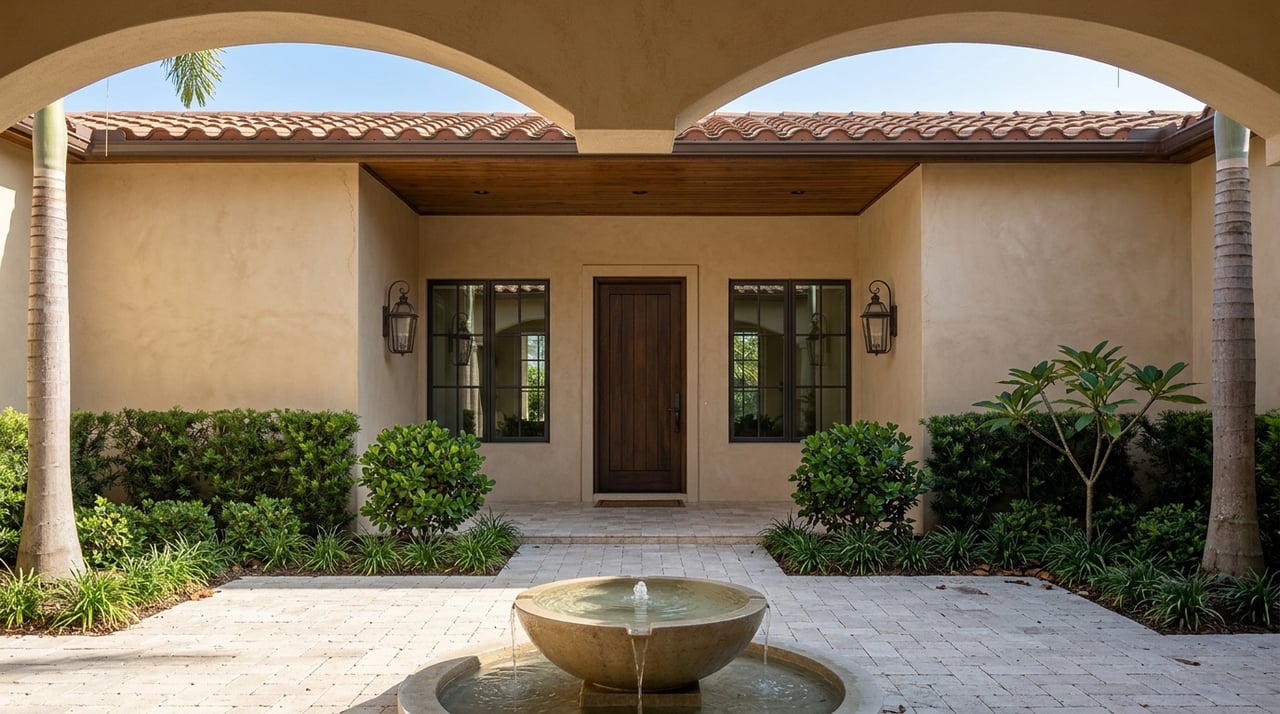
Mediterranean Revival homes in the district typically feature stucco walls, low-pitched red clay barrel-tile roofs, arched doors and windows, balconies, and cast-stone details. In areas such as Granada Terrace, Spanish and Italian styling helped shape the visual identity of the neighborhood, which is why these homes often feel especially prominent.
Who may prefer this style
These homes usually feel more formal and ornamental than a bungalow. If you value a stronger architectural statement, more decorative exterior detailing, and a classic Florida historic look, Mediterranean Revival may feel like the right fit. For some buyers, that visual character is the main reason to focus their search on this style.
What to watch before you buy
The same features that create charm can also increase upkeep. Stucco surfaces, tile roofs, flashing, and older windows all deserve close review, especially with Florida’s heavy rain, heat, humidity, and storm exposure. Well-sealed windows and doors are important because moisture intrusion can create ongoing problems over time.
Impact-resistant glass can also be an important consideration in Florida, where homes must contend with storm-force winds, hail, rain, and wind-borne debris. If a home has older windows, you may want to understand what has been updated and what future work may still be ahead.
Other styles you may see
While bungalows and Mediterranean Revival homes often get the most attention, Old Northeast includes several other architectural styles. You may also come across Colonial Revival, Prairie, Tudor Revival, Mission, Classical Revival, Art Moderne, Renaissance Revival, Minimal Traditional, Ranch, and Monterey examples.
For many buyers, these homes offer a chance to find something a little different while still staying within the neighborhood’s historic fabric. The key is to look beyond the label and ask how the home’s layout, condition, and exterior maintenance needs line up with your priorities.
How to match style to your lifestyle
The right home style is not just the one you admire from the sidewalk. It is the one that fits the way you want to live after closing.
Choose a bungalow if you want ease
A bungalow or Frame Vernacular home may be a strong fit if you want:
- A more compact footprint
- Porch-oriented living
- A casual historic feel
- Potentially fewer stairs
- Simpler day-to-day upkeep than a more ornate exterior
Choose Mediterranean Revival if you want presence
A Mediterranean Revival home may fit if you want:
- A more formal architectural look
- Strong street presence
- Stucco and tile roof styling
- Arched openings and decorative details
- A home that feels tied to classic Florida design history
Ask yourself practical questions
As you narrow your search, it helps to ask:
- How much exterior maintenance are you comfortable taking on?
- Do you want a smaller, efficient layout or a more formal feel?
- Are porches, balconies, or other outdoor features important to you?
- Would a guest suite, office, or flexible detached space improve the way you live?
- Are you comfortable with the upkeep that can come with original or older materials?
Don’t overlook garage apartments and secondary structures
Some older lots in Old Northeast include garages and garage apartments that were designed to complement the main home. These are not always afterthoughts. In many cases, they are part of the neighborhood’s historic development pattern.
For you, that can mean valuable flexibility. A secondary structure may offer space for a home office, guest area, or other uses that support the way you live, while still fitting the character of the property.
Understand historic designation before you decide
One of the most important things to clarify is whether a home is simply within a National Register district or also within a locally designated area. That difference can affect what kinds of exterior work may require city review.
National Register residential districts are primarily honorary and do not require design or demolition review. Locally designated districts, by contrast, can trigger city review for demolition, new construction, and significant exterior alterations. In St. Petersburg, certain work in the historic and archaeological preservation overlay requires a certificate of appropriiateness before work begins.
That matters when you are comparing homes with additions, exterior updates, or newer construction nearby. A home may look appealing, but it is still wise to understand whether changes were designed in a way that fits the district’s rules and neighborhood character.
Evaluate newer additions carefully
In a neighborhood with a strong historic identity, newer is not always better if it feels out of place. St. Petersburg’s approach to traditional neighborhood design emphasizes identifiable architectural style and compatibility in roof form, materials, proportions, and window patterns.
For you as a buyer, that means additions and newer homes should be evaluated for fit as well as finish quality. A well-integrated update can enhance a property. A poorly matched one can feel disconnected from the streetscape that makes Old Northeast special.
A smart Old Northeast home search
If you want to compare homes clearly, focus on the factors most likely to shape your satisfaction after closing. In Historic Old Northeast, that usually means looking at style, maintenance demands, local designation status, secondary structures, and how well any additions fit the surrounding historic setting.
When you approach the search this way, you move beyond surface-level charm. You start choosing the kind of house that fits your priorities, your comfort with upkeep, and the version of Old Northeast living you actually want.
If you are weighing home styles in Historic Old Northeast and want a clear, fact-based conversation about what fits your goals, The Paragon Team is ready to help you start the conversation.
FAQs
What home styles are most common in Historic Old Northeast?
- Buyers most often encounter Craftsman bungalows, Frame Vernacular homes, and Mediterranean Revival houses, with other styles such as Colonial Revival, Prairie, Tudor Revival, Mission, and Ranch also present.
What makes a Craftsman bungalow different in Old Northeast?
- Craftsman bungalows in Old Northeast are typically one or two stories with low-pitched roofs, wide eaves, exposed rafters, decorative knee braces, and porch-focused facades that often feel more compact and casual.
What should buyers know about Mediterranean Revival homes in Old Northeast?
- Mediterranean Revival homes often feature stucco walls, red clay barrel-tile roofs, arches, balconies, and more ornamental detailing, which can create strong visual appeal but may also require close attention to exterior maintenance.
What maintenance issues matter most for older Old Northeast homes?
- Buyers should pay close attention to moisture control, roof condition, flashing, gutters, porch framing, stucco repair, window and door seals, and termite inspection history because Florida’s heat, humidity, and heavy rain can accelerate wear.
What is the difference between National Register and local historic designation in Old Northeast?
- National Register status is primarily honorary, while local historic designation can require city review for demolition, new construction, and significant exterior alterations.
Why do garage apartments matter in Historic Old Northeast?
- Garage apartments and other secondary structures can provide flexible space for guests or a home office and may be part of the neighborhood’s original historic development pattern rather than a later add-on.