Wondering how to price a historic home in Old Northeast without leaving money on the table or scaring off serious buyers? That challenge is common in a neighborhood where architecture, lot context, and preservation details can influence value as much as square footage. If you own a home in Historic Old Northeast, you need a pricing strategy built on local facts, not broad averages. Let’s break down what matters most.
Old Northeast Pricing Starts With Context
Historic Old Northeast is the common name for the North Shore Historic District, also referred to in National Park Service documentation as the Old Northeast Residential Neighborhood. The district was listed on February 20, 2003, and is bounded by 4th Street North, 5th Avenue North, Tampa Bay, and 30th Avenue North. That historic setting matters because buyers are often evaluating more than just the house.
The district includes a wide mix of architectural styles, including Bungalow/Craftsman, Colonial Revival, Mediterranean Revival, Prairie, Tudor Revival, Frame Vernacular, and Minimal Traditional. Because of that variety, pricing by neighborhood name alone can miss the mark. In Old Northeast, two homes on nearby blocks may compete very differently depending on style, condition, and how well the property fits buyer expectations.
The neighborhood also retains defining physical features such as brick streets and alleys, granite curbs, hexagonal block sidewalks, and its original layout. Those elements shape the overall streetscape and can affect how buyers respond to a property. In practical terms, your home is being priced in relation to its full setting, not just its interior finishes.
Why Historic Homes Need Different Comps
A standard price-per-square-foot approach is rarely enough in Old Northeast. The district’s architectural range means buyers often compare homes based on character, integrity, and livability as much as size. That makes comp selection more precise and more important.
The strongest comparable sales usually align on a few key points:
- Similar architectural style
- Similar level of original detail and preservation
- Similar update quality
- Similar lot position and street presence
- Similar parking or garage setup
- Similar flood and insurance considerations
A larger home is not automatically worth more if an addition feels out of scale with the original structure. City preservation standards emphasize compatibility in size, scale, massing, design, and materials for additions and accessory structures. If extra square footage disrupts the home’s architectural balance, buyers may not value it the way a seller expects.
Architectural Integrity Can Support Value
In a historic district, original features often carry real weight. City preservation standards emphasize retaining historic materials, avoiding false historical additions, and repairing distinctive features instead of replacing them when feasible. That guidance reflects what many buyers already notice when they tour a home.
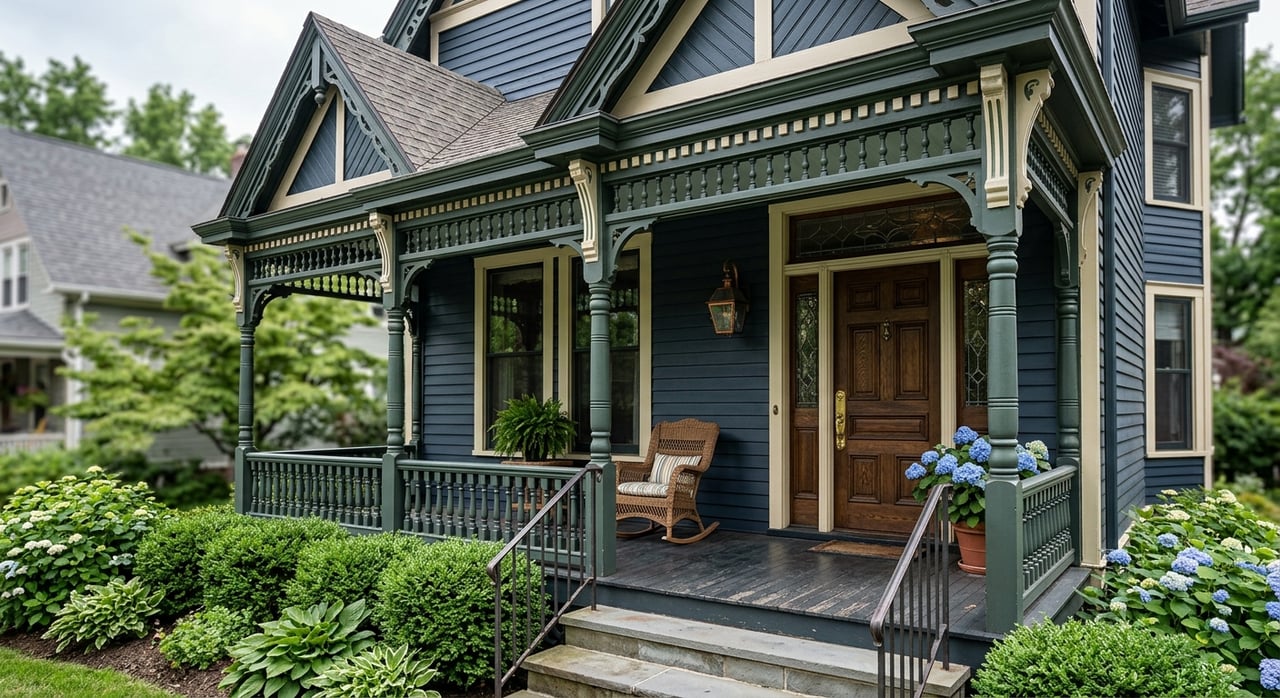
For pricing, that means intact windows, porch details, façade symmetry, woodwork, and other original elements may help a property stand out when they are well maintained. On the other hand, replacements or exterior changes that feel inconsistent with the home’s style can narrow buyer appeal. Historic status alone does not create a premium, but architectural integrity often strengthens the case for one.
Updates Matter, But Fit Matters More
Most buyers want a historic home that feels functional for modern living. Updated kitchens, bathrooms, systems, and layouts can absolutely support pricing when they are done with respect for the home’s character. In Old Northeast, the goal is usually not “new at any cost.” It is updated in a way that still feels authentic.
That is especially important for exterior work. St. Petersburg’s design guidelines were created to help owners identify architectural style and guide exterior decisions, and certain work on designated properties may require certificate of appropriateness review under the city’s historic overlay rules. Before you assume an improvement adds value, it is wise to confirm whether the change fits both the property and any applicable local rules.
Local Regulation Affects Pricing Strategy
One of the biggest mistakes sellers make is assuming every home in Old Northeast is regulated the same way. The city GIS separates National Register historic districts from local historic districts. That means an address-level check is important before you plan exterior changes or market a property as locally regulated.
This matters for pricing because buyers may ask about renovation flexibility, approval requirements, or the status of past improvements. Clear answers reduce uncertainty. Uncertainty can affect how aggressively buyers price risk into their offers.
Flood Risk Should Be Addressed Early
In coastal Pinellas County, flood exposure can shape buyer behavior and carrying costs. Pinellas County notes that flood zones are not the same as evacuation zones, and it also states that most homeowners policies do not cover flood damage. Buyers who understand that difference often factor flood insurance and long-term risk into what they are willing to pay.
For sellers, that means flood questions should be answered early, not after a buyer is already hesitant. The county’s Flood Map Service Center is the official source for checking FEMA flood zones, elevation certificates, storm surge, sea level rise, and evacuation-zone maps. If your home has favorable documentation or a lower-friction insurance story, that can help support confidence in your price.
Read Market Data Carefully
Recent market data shows why broad numbers should be used carefully in Old Northeast. Redfin reported a median sale price of $1.66 million over the last 3 months ending March 2026, with a median $428 per square foot and 55 median days on market. Realtor.com reported a May 2026 median listing price of $900,000 with 12 properties for sale.
Those figures are not necessarily in conflict. They track different metrics and time windows, so the spread is better understood as a methodology difference than a contradiction. The takeaway is simple: neighborhood-level averages can set context, but your pricing strategy still depends on the exact property and the right comp set.
It also helps to remember how different Old Northeast is from the broader market. Florida Realtors reported a statewide single-family median price of $413,990 at year-end 2025, while the Tampa-St. Petersburg-Clearwater metro posted a median sale price of $404,000 in February 2026. Those numbers show how distinct this neighborhood can be, which is another reason to avoid overly generic pricing logic.
Practical Pricing Factors Sellers Should Review
Before setting an asking price, it helps to evaluate the property the way a serious buyer will. In Old Northeast, that often means looking beyond finishes and measuring how the full package compares to recent sales.
Focus on these factors:
- Original material condition
- Quality and compatibility of updates
- Porch and façade integrity
- Architectural style match to likely buyer demand
- Lot position and street appeal
- Garage, alley access, or off-street parking
- Flood zone and likely insurance friction
- Whether additions feel integrated or out of scale
- Whether the parcel is affected by local historic rules
Each of these factors can shift a buyer’s sense of value. When several line up well, sellers often have a stronger basis for pricing near the top of a realistic range. When they do not, a sharper price may be the better strategy.
Pre-Listing Steps That Protect Your Price
Strong pricing starts before the home goes live. If key questions are unresolved, buyers may use that uncertainty to negotiate. A little preparation can make your asking price easier to defend.
Before listing, consider these steps:
- Verify whether the property is only in the National Register district or also subject to local historic district rules.
- Review exterior changes and confirm whether past or planned work fits applicable city standards.
- Check the flood zone, evacuation zone, and any available elevation documentation.
- Gather records on major updates, especially when they preserve original materials or improve function.
- Review comparable sales by style, condition, and micro-location rather than by neighborhood label alone.
For some qualifying historic properties, St. Petersburg’s code allows ad valorem tax exemptions for qualifying improvements. If that applies to your property, it may be worth understanding before you market the home. While it may not set the price by itself, it can be part of the overall value conversation.
Setting a Smart Price in Old Northeast
The best pricing strategy for a historic home in Old Northeast is usually a disciplined one. It respects the neighborhood’s architectural variety, accounts for regulation and flood realities, and uses truly comparable sales instead of broad assumptions. In a district where buyers often react to both the home and the streetscape, details matter.
If you are preparing to sell, the goal is not simply to choose a high number or a fast-sale number. The goal is to choose a price that reflects how your home will actually be judged in this market. That is what creates stronger interest, better buyer confidence, and a more credible path to a successful sale.
If you want a clear, evidence-based approach to pricing property in Historic Old Northeast, start the conversation with The Paragon Team.
FAQs
How should you price a historic home in Old Northeast?
- You should price it using comparable sales that match the home’s style, condition, updates, lot position, parking, and flood considerations, rather than relying on neighborhood averages alone.
Does historic status automatically increase a home’s value in Old Northeast?
- No. Historic status alone does not automatically create a premium. Pricing is more likely to be supported when architectural integrity, functional updates, and location all align well.
Why do comparable sales matter more for Old Northeast historic homes?
- Old Northeast has a wide mix of architectural styles and property conditions, so broad price-per-square-foot comparisons can miss important differences that buyers care about.
Do exterior changes affect the price of a historic home in St. Petersburg?
- Yes. Exterior changes can affect buyer appeal, and certain work on designated properties may be subject to local review standards, which can influence how buyers evaluate the home.
How does flood risk affect pricing for homes in Old Northeast?
- Flood risk can affect buyer confidence and ownership costs because flood zones, evacuation zones, and flood insurance considerations may shape what buyers are willing to pay.
What should sellers verify before listing a historic home in Old Northeast?
- Sellers should verify whether the parcel is subject to local historic district rules, review flood-related information, and organize records for updates and property features that may support the asking price.